Oqood Registration in Dubai: Fees, Verification and Buyer Protection
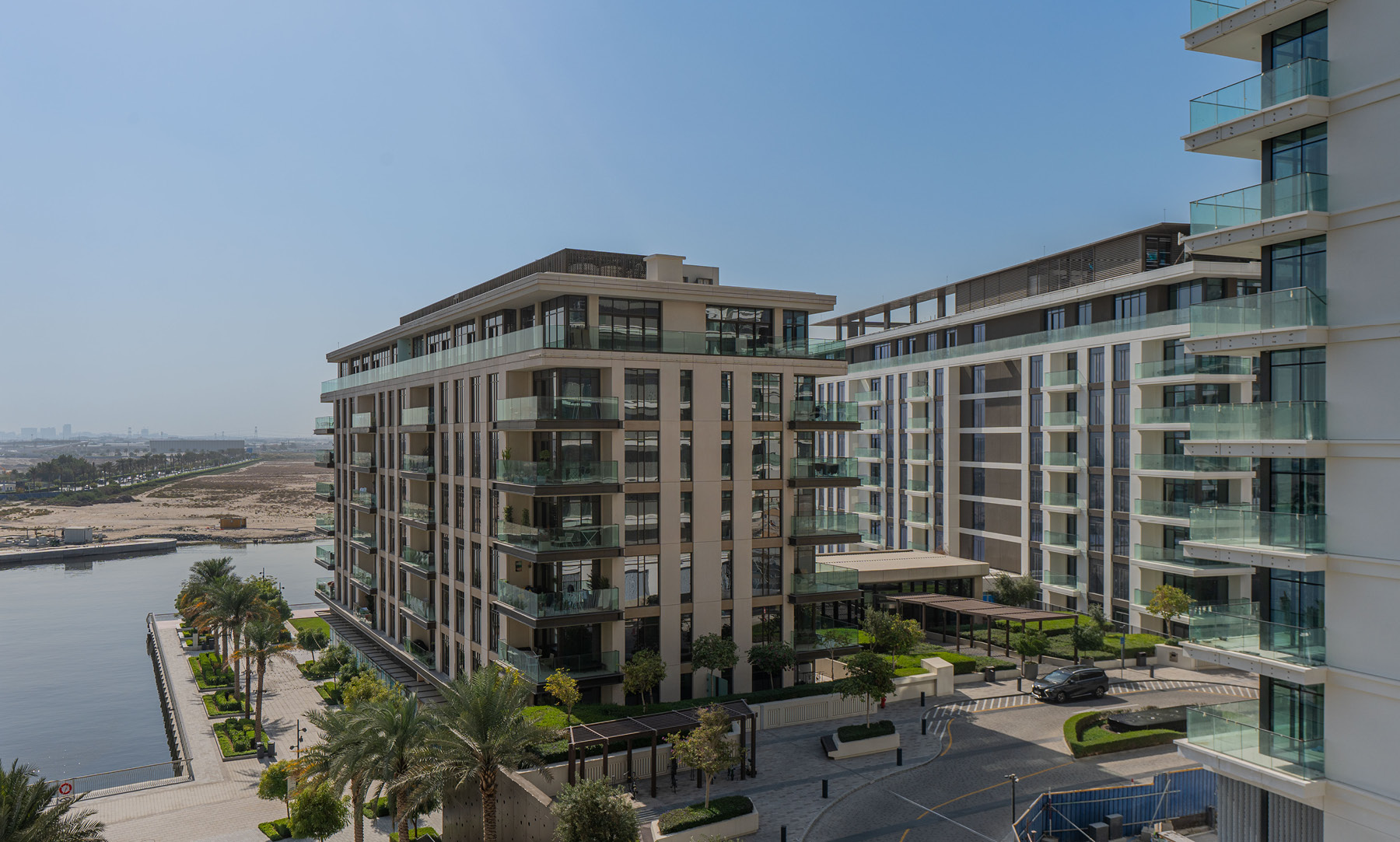
If you've bought Off Plan in Dubai, "Oqood" is the term that turns your Sales and Purchase Agreement into an officially registered, government-recognised interest in a specific unit, months or years before the building exists and a title deed can be issued. Without it, an Off Plan sale in Dubai carries no legal protection.
This guide explains what Oqood registration actually is, when it should happen, what you should receive as proof, how to verify it yourself rather than taking a developer's word for it, and what to do if it's delayed.
What is Oqood registration in Dubai?
Oqood, the Arabic word for "contracts," is the Dubai Land Department's Interim Property Register for Off Plan property. Under Law No. 13 of 2008 Regulating the Interim Property Register, any disposition of an Off Plan real property unit, meaning any sale, is void unless it's entered into this register. In practical terms, that means your SPA alone doesn't give you a legally recognised interest in the unit. Oqood registration is what does.
It exists specifically to protect buyers. Before the system was introduced, the same Off Plan unit could, in theory, be sold to more than one buyer with no central record to catch it. Once your purchase is Oqood-registered, the DLD holds an official record tying that unit to your name, and the developer can't sell it again.
When does Oqood registration happen?
The developer initiates Oqood registration through the DLD's Request to Register the Initial Sale service, shortly after the SPA is signed and your initial payment is made. This isn't optional on the developer's part: DLD rules require the SPA to be registered in the Interim Property Register within 90 days of signing.
In practice, most established developers move considerably faster than that, often issuing the certificate within one to three weeks. The 90-day window is the outer legal limit, not the norm, so if you're still waiting well beyond a few weeks with no update, it's worth asking directly rather than assuming everything is simply on schedule.
Registration triggers the DLD fee, structured as 2% of the sale value from the seller (in this case, the developer) and 2% from the purchaser, plus small knowledge and innovation fees. This is the same headline 4% cost that applies to a ready property purchase, just collected at this earlier stage rather than at handover.
What should you receive as proof of Oqood registration?
Once registration is complete, you should receive an electronic Oqood certificate, typically by email, confirming the transaction has been recorded in the Interim Property Register. A proper certificate should include:
- Your details as the registered purchaser
- The unit's specific identification: project, building or tower, unit number and area
- The agreed purchase price and payment schedule
- The developer's DLD registration details
- A unique certificate number
Check every one of these details against your signed SPA as soon as you receive it. Discrepancies, particularly in the unit reference, price, or payment schedule, need correcting immediately. Left unresolved, they can resurface at handover and delay or block your title deed from being issued.
How to verify your Oqood registration
Don't rely solely on the certificate a developer sends you. You can independently confirm your registration exists and matches your contract through the Dubai Land Department directly:
- Dubai REST app: search under your properties or run a certificate status enquiry using your Oqood number
- DLD website: use the Property Status Enquiry service to check the registration against the certificate number
- A DLD-authorised Trustee Office: request a direct verification if you'd prefer it confirmed in person
This step matters for off-market or private Off Plan deals just as much as standard sales through the Off Plan hub: the protection Oqood provides only applies if the registration has genuinely gone through, not just because a developer says it has.
What happens to Oqood at handover?
At handover, once the project reaches completion and your payment obligations under the SPA are fulfilled, your Oqood record converts into a full title deed. You don't pay the 4% transfer fee again at this stage, since it was already collected at Oqood registration. What remains are smaller conversion charges: the title deed issuance fee and a map fee.
This is one of the practical differences between buying Off Plan and buying ready, alongside the payment structure itself. If you're still weighing up which route suits you, our guide to Off Plan vs ready property for first-time buyers covers this in more depth.
What to do if your Oqood registration is delayed
If your certificate hasn't arrived within a few weeks of signing, start with a direct, written request to the developer's sales or customer service team asking for a status update and, ideally, the Oqood reference number itself, which you can then verify independently through the DLD channels above.
If you're approaching the 90-day statutory window with no registration and no clear explanation, treat it as a genuine red flag rather than routine delay. At that point, escalate through RERA, since unregistered Off Plan sales fall outside the legal protections the system exists to provide. Keep a written record of every follow-up, since this trail matters if the issue needs to be escalated formally.
FAQs about Oqood registration
No. Oqood is an interim registration certificate that records your interest in an Off Plan unit during construction, while a title deed is the final ownership document issued only once the property is complete and handed over. Both are legally recognised by the Dubai Land Department, but a title deed confirms full ownership, whereas Oqood confirms a registered contractual right that later converts into one.
Yes, this is done through what's called an assignment, where your Oqood registration is transferred to a new buyer rather than a completed title deed changing hands. Most developers require a minimum percentage of the price to have already been paid, commonly in the region of 30-40%, along with their formal No Objection Certificate, before they'll approve the transfer.
Yes, several UAE banks offer mortgage financing on Off Plan properties once they're Oqood-registered, since the certificate is recognised as valid proof of your interest in the unit. The mortgage itself is registered against the Interim Property Register alongside your provisional sale, then automatically converts to a standard mortgage against the title deed once the property completes and hands over.
Yes, an Oqood-registered Off Plan purchase can count towards the property investment route for a UAE Golden Visa, provided a sufficient portion of the unit's value has been paid to the developer against a RERA-regulated escrow account. Since eligibility thresholds and requirements can change, it's worth confirming the current criteria directly with your immigration advisor or developer before relying on an Off Plan purchase for a visa application.
A formal complaint can be filed through the DLD's Complaint Against a Real Estate Company service, available via the DLD website or the Dubai REST app. It typically requires your SPA, proof of payments made, and any written correspondence with the developer as supporting evidence. RERA generally responds to complaints within a few working days, and where a developer is found to have breached their obligations, the agency can issue fines, suspend sales, or in serious cases order a full refund of payments made, so keeping thorough records from day one puts you in a much stronger position if it comes to this.
Considering an Off Plan purchase?
Understanding Oqood is one part of buying Off Plan with confidence. Our team works across Dubai's leading Off Plan developers and can help you verify registration at every stage of a purchase, not just at signing.