A guide to commercial property investment in Dubai
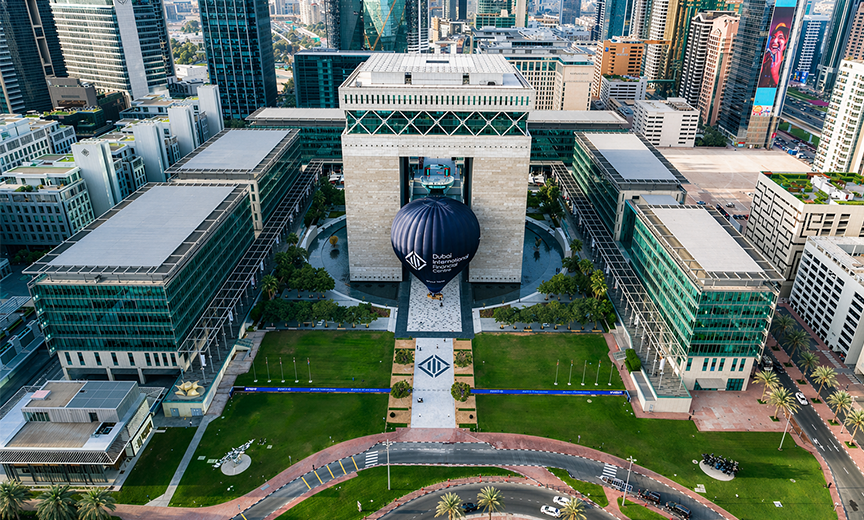
Commercial property investment operates very differently to residential, both in how it generates returns and how risk is managed. Instead of relying on individual tenants, commercial assets are driven by business demand, lease structures and wider economic conditions, which creates the potential for stronger and more predictable income, but also introduces greater exposure if those fundamentals are weak. This is what makes commercial property both attractive and unforgiving at the same time.
Unlike residential investment, where demand is typically broad and consistent, commercial performance is far more concentrated. A single tenant, a single lease or a single sector shift can materially impact returns. That is why investors approaching this space need to think less like buyers and more like strategists, focusing on income durability, tenant strength and long term positioning rather than simply price or yield.
For investors at an early stage, understanding how this asset class works is key before comparing opportunities or chasing higher yields. If you're still getting familiar with the local property market itself, we recommend reviewing Dubai’s top commercial locations and property investment areas.
View Commercial Properties for Sale in Dubai
Key Takeaway
- Commercial property can offer higher income potential but comes with greater complexity.
- Tenant quality and lease structure are key to performance.
- The right asset depends on your investment strategy, not just yield.
What is commercial property investment?
Commercial property investment generates income through businesses leasing space rather than individuals occupying it. This typically results in longer lease agreements, more structured income streams and, in many cases, built-in rental increases. While this can create a more predictable income profile, it also means that performance is heavily dependent on the tenant’s ability to operate successfully within that space.
The key difference from residential investment is that returns are driven less by the property itself and more by the underlying business activity it supports. Investors must therefore evaluate tenant strength, lease terms and sector demand as core components of the investment, rather than treating them as secondary considerations. This makes commercial property inherently more analytical and less forgiving than residential.
For a deeper look at how the commercial market is currently performing, read haus & haus’ latest commercial market report and investment insights.
Why investors choose commercial real estate
The primary driver behind commercial property investment is income performance. In the right locations and sectors, commercial assets can deliver higher yields than residential property, particularly where demand is supported by strong business activity or logistics infrastructure. This makes it especially appealing to investors focused on generating consistent cash flow rather than relying solely on capital appreciation.
Another key advantage is the structure of lease agreements, which can provide longer term income visibility. However, this benefit is directly tied to tenant quality, meaning that the reliability of income is only as strong as the business occupying the space. This shifts the focus from simply acquiring property to actively selecting tenants and sectors that demonstrate resilience.
Commercial property also plays an important role in diversification. Because it responds differently to economic conditions than residential assets, it can help balance overall portfolio risk when selected and managed correctly.
3 Types of commercial property in Dubai
Office space
Office properties are driven by corporate demand and economic activity, particularly in established business districts. Prime offices can attract long term tenants, but performance is sensitive to supply levels and business confidence.
Retail units
Retail properties depend heavily on footfall, visibility and consumer demand. Strong locations can produce attractive returns, but underperforming areas may struggle with vacancy and tenant turnover.
Warehouses and logistics
One of the fastest-growing segments in Dubai, warehouse properties are supported by logistics, trade and e-commerce growth, which has strengthened demand in recent years. The warehouse commercial property sector is increasingly viewed as one of the more resilient commercial asset classes.
How commercial property generates returns
Returns in commercial property are primarily driven by rental income rather than capital appreciation. Lease agreements are often structured over longer periods and may include fixed increases or index-linked adjustments, creating a level of income predictability that is less common in residential investment. However, this predictability depends entirely on tenant stability and the strength of the lease terms in place.
Capital growth can contribute to overall performance, particularly in areas experiencing economic expansion or infrastructure development, but it is typically secondary to income generation. As a result, investors should focus on net yield rather than headline yield, considering operating costs, vacancy risk and tenant reliability. Two properties with similar yields on paper can deliver very different outcomes once these factors are considered.
Risks and considerations
Commercial property carries a more concentrated risk profile than residential investment, which is why due diligence is critical. Vacancy periods can be significantly longer and when income is tied to a single tenant, any disruption can have an immediate and material impact on returns. This makes tenant quality one of the most important factors in evaluating an opportunity.
Different sectors also respond differently to economic conditions. Office demand is closely linked to business performance, retail is influenced by consumer behaviour and logistics is driven by trade and distribution trends. Understanding how each sector behaves across market cycles is essential for making informed investment decisions.
Commercial vs residential property in Dubai
While commercial property can offer higher income potential, it requires a more informed and deliberate approach. It is generally less liquid than residential property and more sensitive to mistakes, particularly in relation to tenant selection and vacancy. Recovering from poor decisions can take longer and involve greater financial impact.
Residential property, by contrast, tends to be more accessible, easier to manage and supported by broader demand. This makes it a more suitable entry point for many investors. Commercial property is typically better suited to those with a clearer strategy, a higher tolerance for risk and a stronger understanding of market dynamics.
How to get started in Dubai’s commercial market
The starting point for any commercial investment should be clarity of objective. Whether the focus is on income generation, long term growth or portfolio diversification will determine the type of asset that is most appropriate. Without this clarity, investors risk being drawn toward opportunities that do not align with their overall strategy.
Once the objective is defined, the focus should shift to fundamentals such as location, tenant demand and lease structure. These factors ultimately determine performance and should take precedence over surface-level metrics like price or headline yield. A disciplined, strategy-led approach is what distinguishes strong commercial investments from those that underperform over time.
Looking to purchase property in Dubai? Read the buyer’s guide for more information on risks, considerations and market insights.
FAQs
Yes, commercial property can be a strong investment in Dubai, particularly for investors focused on generating consistent income. The market benefits from a growing economy, business demand and sectors such as logistics and retail that continue to expand. However, performance is highly dependent on tenant quality, lease structure and location, meaning it requires a more strategic approach than residential investment to get right.
Returns vary depending on the asset type, location and tenant strength, but commercial properties in Dubai often deliver higher yields than residential assets. Income is typically generated through longer lease agreements, which can provide more predictable cash flow. That said, headline yields can be misleading, so investors should focus on net returns after costs, vacancy risk and tenant reliability are factored in.
Investing in commercial property starts with defining your objective, whether that is income, capital growth or diversification. From there, investors need to identify suitable assets, assess tenant demand and carefully review lease structures, including duration, break clauses and rental terms. Unlike residential investment, the strength of the tenant and the sector the property operates in are critical to long term performance.
The main risks include vacancy, where properties can remain unoccupied for extended periods and tenant reliability, as income is often dependent on a single business. Market cycles also affect different sectors in different ways, with office, retail and logistics responding to broader economic conditions. These factors are essential to understand before committing to any commercial investment.
Not necessarily, it depends on the investor’s experience, objectives and risk tolerance. Commercial property can offer higher income potential, but it is more complex and less forgiving if mistakes are made. Residential property is generally easier to manage, more liquid and supported by broader demand, making it a more accessible option for many investors, particularly at the start of their investment journey.
Speak to haus & haus
Commercial property investment is not an area where guesswork tends to pay off. Understanding which sectors are performing, which tenants are reliable and which assets align with a specific strategy requires a more informed perspective.
Speaking to the haus & haus team can help you navigate these decisions, assess opportunities more effectively and build a Dubai commercial property investment approach that is aligned with your long-term goals.
Share

Subscribe to our monthly newsletter

Dubai Real Estate: Unplugged

Get notified of new YouTube videos